May 19, 2026
Understanding cost vs value in teeth straightening
Yes, traditional metal braces are typically the cheapest way to straighten teeth upfront. But the best value depends on your goals, case complexity, comfort, and how smoothly treatment runs from start to finish.
Start with three truths:
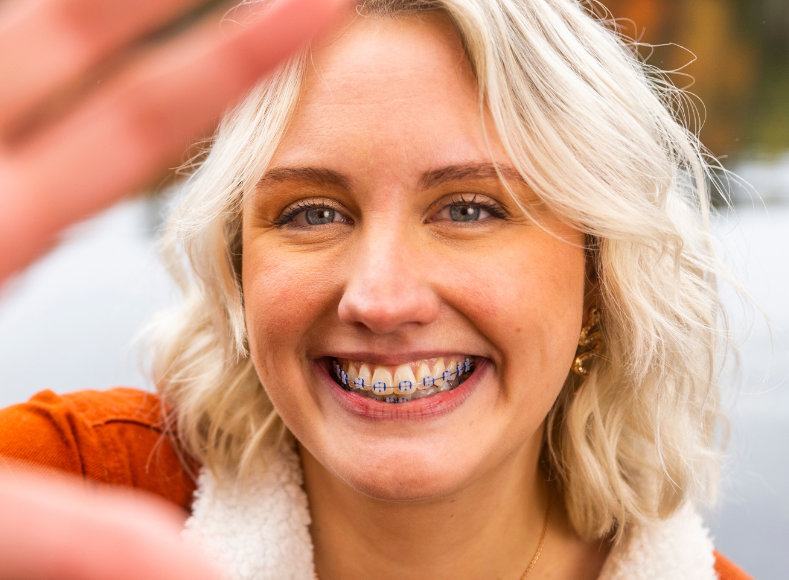
- Metal braces usually have the lowest entry price.
- Ceramic braces and clear aligners cost more but can offer aesthetic and lifestyle benefits important to many teens and adults.
- The “cheapest” choice can cost more overall if treatment takes longer, requires extra appointments, or additional refinements.
At Wired Orthodontics, all planning is Specialist Orthodontist-led. Complimentary consultations in Nundah and Caboolture give you a clear, itemised plan before deciding.
Quick comparison: metal, ceramic, and clear aligners
Metal braces:
- Lowest upfront fee, highly effective for mild to complex tooth movements.
- Visible on teeth, require regular adjustments, and occasional breakages can add visits.
- Good for most cases, including complex ones.
Ceramic braces:
- Clear or tooth-coloured brackets blend with enamel.
- Similar biomechanics and visit pattern to metal braces, with a more discreet look.
- Moderate fee increase over metal due to higher material costs.
Clear aligners (e.g., Invisalign®):
- Nearly invisible, removable for meals and cleaning.
- Fewer unexpected emergency visits, no brackets or poking wires.
- Effective for mild to moderate cases; many complex movements can be managed under specialist supervision.
- Requires consistent wear, 20–22 hours per day.
Typical Brisbane cost bands and factors
Comprehensive orthodontic treatment at Wired Orthodontics usually sits around $7,000 to $9,000:
- Metal braces: lower end of the range.
- Ceramic braces: slightly higher due to materials.
- Clear aligners: similar to ceramic or a little higher for lab and digital production costs.
Fees reflect case complexity, estimated treatment time, number of aligners or wire sequences, and included aftercare. Payment plans from $55/week, 0% interest finance, and family discounts are available. For a full breakdown, see our Brisbane cost guide.
Cheapest vs best value: trade-offs to consider
- Treatment time: Efficient plans often provide better value than a cheaper start that drags on. Longer treatment adds wear days, missed school/work, and higher maintenance.
- Appointment frequency: Fixed braces need regular visits; aligners can allow slightly longer intervals during some stages.
- Breakages and emergencies: Brackets may break; aligners have fewer emergency issues but require consistent wear.
- Refinements: Invisalign® includes an initial set of complimentary refinements. Extra sets incur fees. Specialist planning and compliance minimise extras.
- Oral hygiene and comfort: Aligners simplify brushing and flossing. Fixed appliances require extra care to avoid breakages or staining.
Best value is a confident, specialist-led plan fitting your lifestyle and realistic about cooperation, appointment cadence, and goals. This often saves time, stress, and costs over the full course of treatment and retention.
Case suitability: who usually suits what
- Metal braces: Reliable for nearly any case, including complex crowding, rotations, and bite correction.
- Ceramic braces: Lower-visibility fixed option, suitable for many teen and adult cases.
- Clear aligners: Ideal for adults and teens who value discretion and can commit to consistent wear.
Unsure which option is right? A complimentary Specialist Orthodontist assessment maps out clinical suitability, likely cost, and estimated treatment time.
Early interceptive care for children
Early or Phase I treatment can reduce future costs:
- Upper arch expansion (Rapid Maxillary Expander): Creates room for crowded teeth, improves crossbites, and supports better arch form before adult teeth erupt.
- Space maintainers, habit appliances, or early braces/aligners: Prevent future complications or trauma.
Phase I treatment guides growth and creates conditions that make later comprehensive treatment simpler, shorter, and sometimes less expensive. Reviews are typically every 3–4 months. A free initial assessment helps determine whether early action is needed.
Appointments and practicalities
- Visit cadence: Braces require regular adjustments; aligners include progress checks and aligner handovers. Fewer emergencies for aligners.
- Lifestyle: Athletes and musicians often prefer aligners. Teens enjoy choosing elastic colours with braces. Adults often prefer aligners or ceramic braces for discretion.
- Retention: Long-term retention is essential. Two years of supervised retainer checks are included in treatment fees.
Quick FAQ
- Cheapest type of braces? Metal braces, upfront.
- Cost vs results? Metal is lowest, ceramic slightly higher, aligners similar to or higher than ceramic. All deliver excellent results under Specialist Orthodontist supervision.
- Trade-offs between upfront cost and total value? A lower starting fee can cost more if treatment is longer, breaks occur, or extra refinements are needed.
- Can early treatment reduce later costs? Yes. Expansion and interceptive care may prevent extractions or complex mechanics.
- Do aligners always take less time than braces? Not always; depends on movement and cooperation. Specialist planning maximises efficiency.
A balanced way to choose
- Lowest upfront fee: Metal braces.
- Most discreet with flexible hygiene: Clear aligners.
- Discreet fixed appliance: Ceramic braces.
The right plan balances cost, time, convenience, and aesthetics. A detailed, specialist-led quote ensures clear understanding before committing.
Book a complimentary consultation with a Specialist Orthodontist at Wired Orthodontics in Nundah or Caboolture. View a personalised digital plan and compare options calmly. Explore Invisalign® in Brisbane or review Brisbane cost information for typical fees and payment plans.
BackLet's Get Social
Keep up with our team on social media